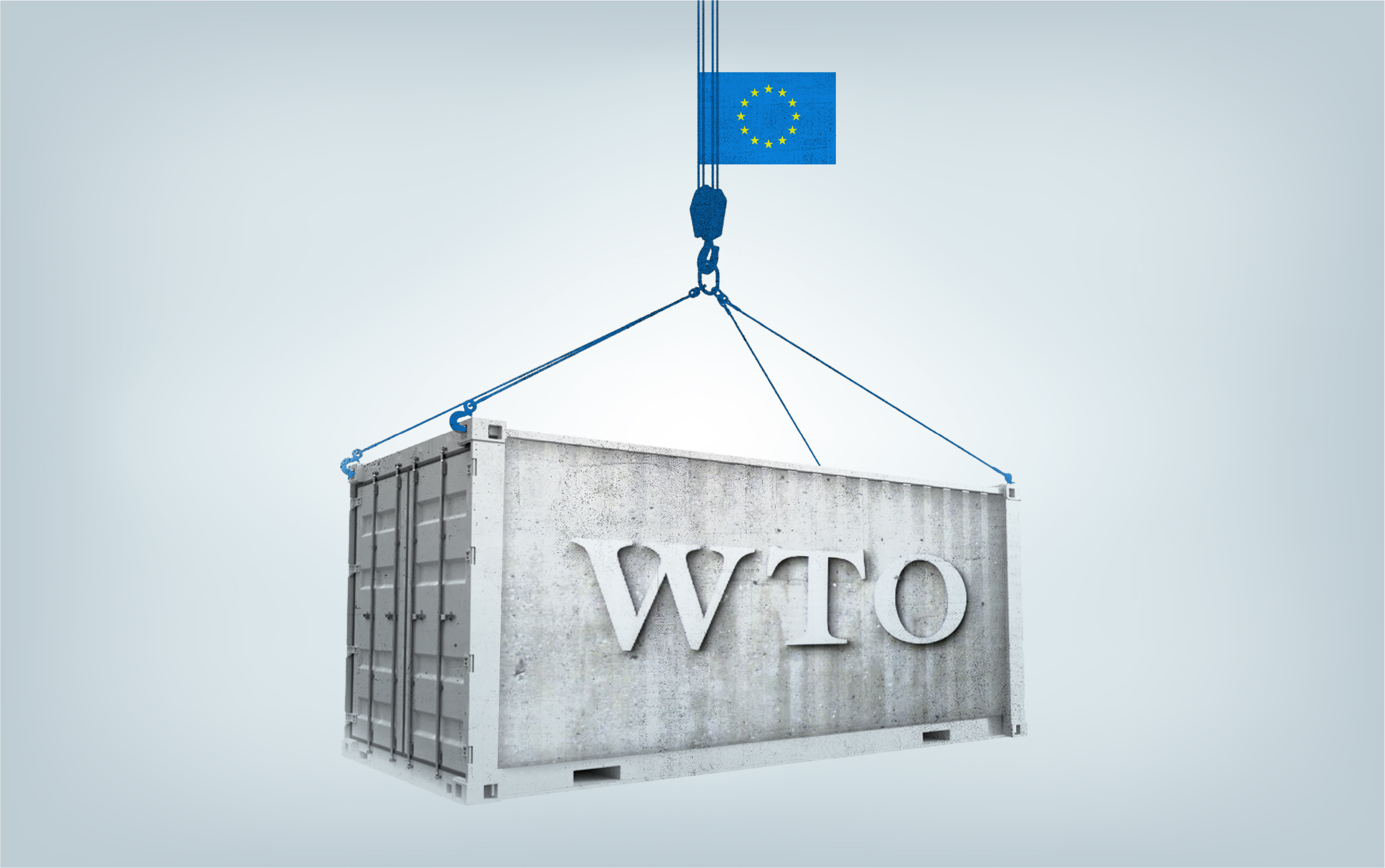
Introduction
The World Trade Organization faces unprecedented challenges, including the Appellate Body crisis, rising protectionism, and adapting to new trade realities. This article examines the reform agenda and future of global trade governance.
The Appellate Body Crisis
The WTO dispute settlement system has been effectively paralyzed since December 2019 due to the inability to appoint Appellate Body members.
- US Concerns: Judicial overreach, failure to adhere to 90-day deadlines, issuing advisory opinions
- Multi-Party Interim Appeal Arrangement (MPIA): Alternative mechanism developed by EU, China, Brazil, Canada, and 50+ members
- WTO Reform Negotiations: Discussions on restoring dispute settlement with reforms
Key Reform Priorities
Dispute Settlement Reform
- Appellate Body composition and term limits
- Rule of interpretation and stare decisis
- Time limits for proceedings
- Remedies and compliance mechanisms
Rule-Making Modernization
WTO rules need updating for contemporary trade issues:
- Digital trade and e-commerce
- Services trade liberalization
- Investment facilitation
- Trade and climate change
- Industrial subsidies and state-owned enterprises
- Agricultural trade reform
Development Dimension
- Special and Differential Treatment (SDT) for developing members
- Graduation mechanisms
- Technical assistance and capacity building
Plurilateral Initiatives
Given consensus-based decision-making challenges, members are pursuing plurilateral agreements:
- Joint Statement Initiatives: E-commerce, investment facilitation, services domestic regulation, MSMEs
- WTO Agreement on Fisheries Subsidies: First new agreement in 10 years (2022)
- Environmental Goods Agreement: Negotiations ongoing
Regional Trade Agreements
Major RTAs shaping global trade governance:
- RCEP: Asia-Pacific framework covering 15 countries
- CPTPP: High-standard agreement with expanded membership interest
- USMCA: North American trade framework
- EU Trade Agreements: Network of bilateral agreements with global reach
Future Outlook
WTO reform will continue through MC13 (Abu Dhabi, 2024) and beyond. Key developments to watch:
- Appellate Body restoration with reforms
- Disciplines on industrial subsidies
- Digital trade rules development
- Trade and climate interface
- Development issues and SDT reform


💬 Comments (0)
No comments yet. Be the first to share your thoughts!
Leave a Comment